

Bali-Inspired Mirrors in Dubai: Natural Rattan and Wooden Frames for Sustainable Home Decor
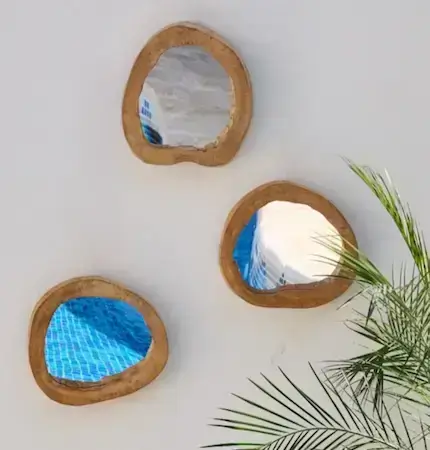
Mirror entrance with rattan frame in Dubai home
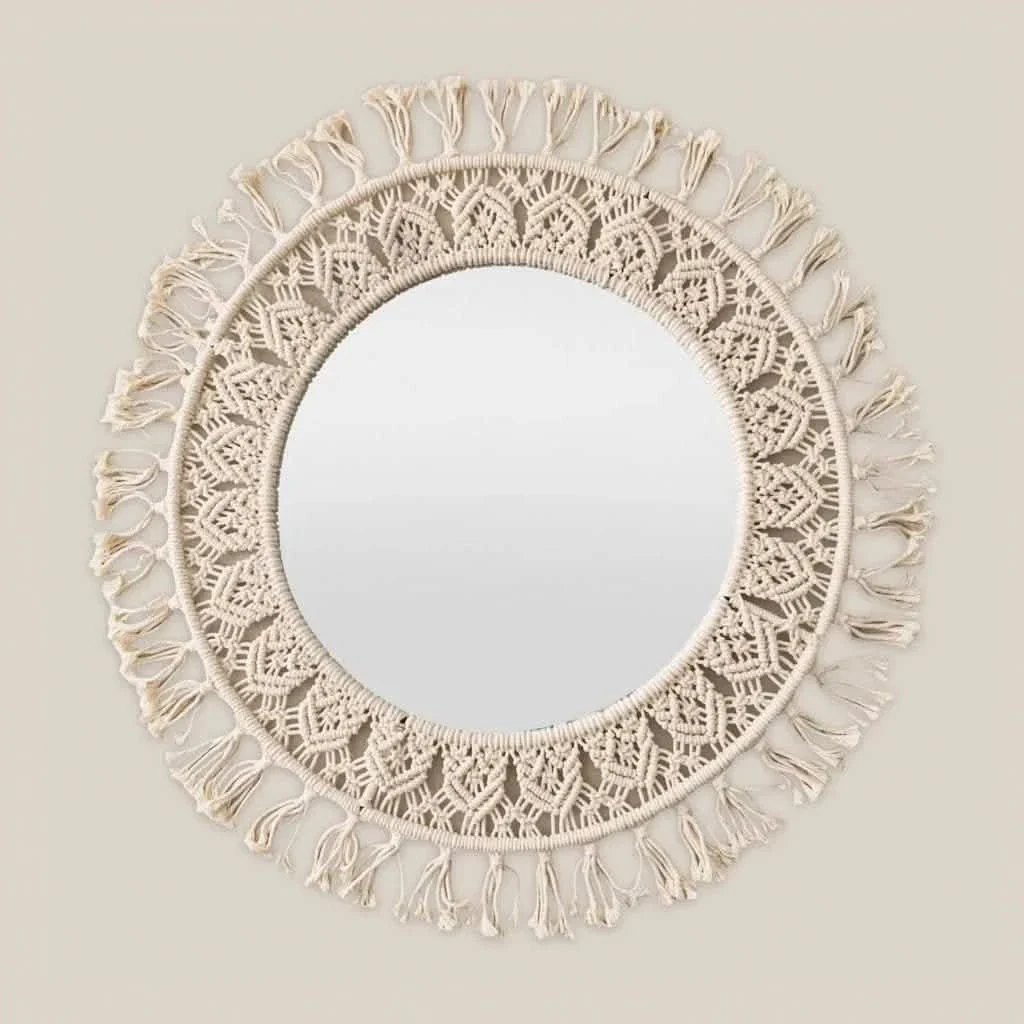
Macrame mirror with intricate knot design on wall

Round rattan mirror hanging in Dubai balcony space
Bali Mirrors: Stylish Rattan and Macrame Decor for Your Garden, Balcony, and Entrance
DUBAI, AL MANARA, UNITED ARAB EMIRATES, December 4, 2025 /EINPresswire.com/ -- The Bali mirror combines traditional craftsmanship with modern design, bringing a touch of tropical island spirit to homes worldwide, including cosmopolitan Dubai. These mirrors blend functional reflective surfaces with artistic frames made from natural materials, creating pieces that are both practical and visually appealing.Natural materials like rattan, macrame, raffia, and beaded cords are increasingly valued as part of a global shift toward sustainable design. In a market dominated by mass production, handmade mirrors stand out—each piece carries the artisan’s unique touch.
When choosing mirrors in Dubai for open or semi-open spaces such as gardens, balconies, and entrances, materials must withstand the local climate. Rattan mirrors and macrame pieces, properly treated, resist intense sunlight and temperature changes.
Why Rattan and Macrame Work Well in Contemporary Interiors
Rattan is ideal for wall mirrors in Dubai due to:
Lightweight: Rattan frames are lighter than wooden or metal ones, easing installation and reducing wall strain.
Durability: Rattan is strong and retains shape even outdoors.
Sustainability: As a fast-growing resource, rattan offers an eco-friendly alternative to slow-growing hardwoods.
Macrame emphasizes handcrafted quality, involving hundreds of knots per mirror, producing rich texture and depth impossible to machine.
Natural materials fit current trends:
Sustainability: Environmental awareness boosts demand for natural decor.
Bohemian Style: Eclectic, textured interiors welcome handcrafted organic pieces.
Biophilic Design: Natural materials reduce stress and promote wellbeing.
Warm hues of rattan and macrame frames—honey-gold, soft cream, and muted browns—create cozy, calming environments. Beaded cords add subtle rustic charm.
About Rattan: Strength, Flexibility, and Environmental Benefits
Rattan, unlike bamboo, comes from climbing palm vines native to Southeast Asia and matures in 5–7 years. Harvesting leaves roots intact, enabling regeneration and supporting biodiversity.
Rattan’s flexibility suits outdoor use in Dubai:
Temperature Adaptation: Minimal expansion/contraction prevents cracking.
Moisture Resistance: Properly treated rattan withstands humid coastal conditions.
Shock Absorption: Slight pliability prolongs outdoor product lifespan.
Macrame: Craft and Modern Appeal
Macrame, dating to the 13th century, has revived due to:
Growing appreciation for handmade goods.
Popularity in bohemian and natural design styles.
Social media exposure highlighting its photogenic qualities.
Patterns range from geometric to cascading knots, suiting everything from delicate small mirrors to bold statement pieces in Dubai.
Enhancing Spaces with Bali Mirrors
Mirrors visually expand and brighten areas:
Illusion of Depth: Balconies feel larger with mirrors.
Light Reflection: Reflecting plants, sky, or architecture enhances visual interest and natural light.
Lighting Boost: Mirrors amplify limited sunlight.
Sizes for different areas:
Entrances: Large mirrors (80-120 cm) create dramatic focal points.
Balconies: Smaller mirrors (40-60 cm) suit cozy corners.
Gardens: Medium mirrors (60-80 cm) among plants add unexpected accents. Wooden mirror frames integrate naturally outdoors.
Pair mirrors with climbing plants, outdoor lighting, and natural materials like wooden furniture or stone planters for a cohesive look.
Care and Maintenance
Rattan mirrors need regular care:
Monthly dusting with a soft brush.
Occasional gentle cleaning with mild soap and thorough drying.
Annual UV protection and water-repellent treatments for outdoor use.
Macrame requires moisture avoidance, gentle dusting, and spot cleaning with air drying to maintain appearance.
Why Bali Mirrors Are a Sustainable Choice
Natural materials have advantages over synthetics:
Renewable resources like wood and rattan reduce environmental impact.
Less energy-intensive production compared to synthetic items.
Biodegradability reduces landfill waste.
Supporting artisans promotes fair trade and cultural preservation.
Handmade mirrors offer uniqueness and character lacking in mass-produced items. Supporting artisans helps preserve traditional crafts and fosters cultural exchange.
Conclusion
Bali mirrors merge style, sustainability, and function. Their organic textures and natural tones create aesthetics unmatched by synthetic decor. Using renewable materials and traditional methods aligns with environmental values, while their ability to expand space visually makes them versatile.
Properly cared for, quality wall mirrors in Dubai can last decades, becoming treasured home elements. In a city that values luxury and innovation, choosing mirrors that honor craftsmanship and sustainability reflects thoughtful design.
Enhance your garden, balcony, or entrance with Bali-inspired mirrors—beautiful, meaningful, and eco-friendly.
Carol Sukkar
Home and Soul Furniture Trading LLC
+971 56 112 1444
email us here
Visit us on social media:
LinkedIn
Instagram
Facebook
X
Legal Disclaimer:
EIN Presswire provides this news content "as is" without warranty of any kind. We do not accept any responsibility or liability for the accuracy, content, images, videos, licenses, completeness, legality, or reliability of the information contained in this article. If you have any complaints or copyright issues related to this article, kindly contact the author above.
